Measured to the opening you have, not to the one the catalogue assumes
A garage door is the largest moving object in most houses and usually the biggest single thing you see from the street. Getting it right is partly about the door and substantially about the opening it has to live in.
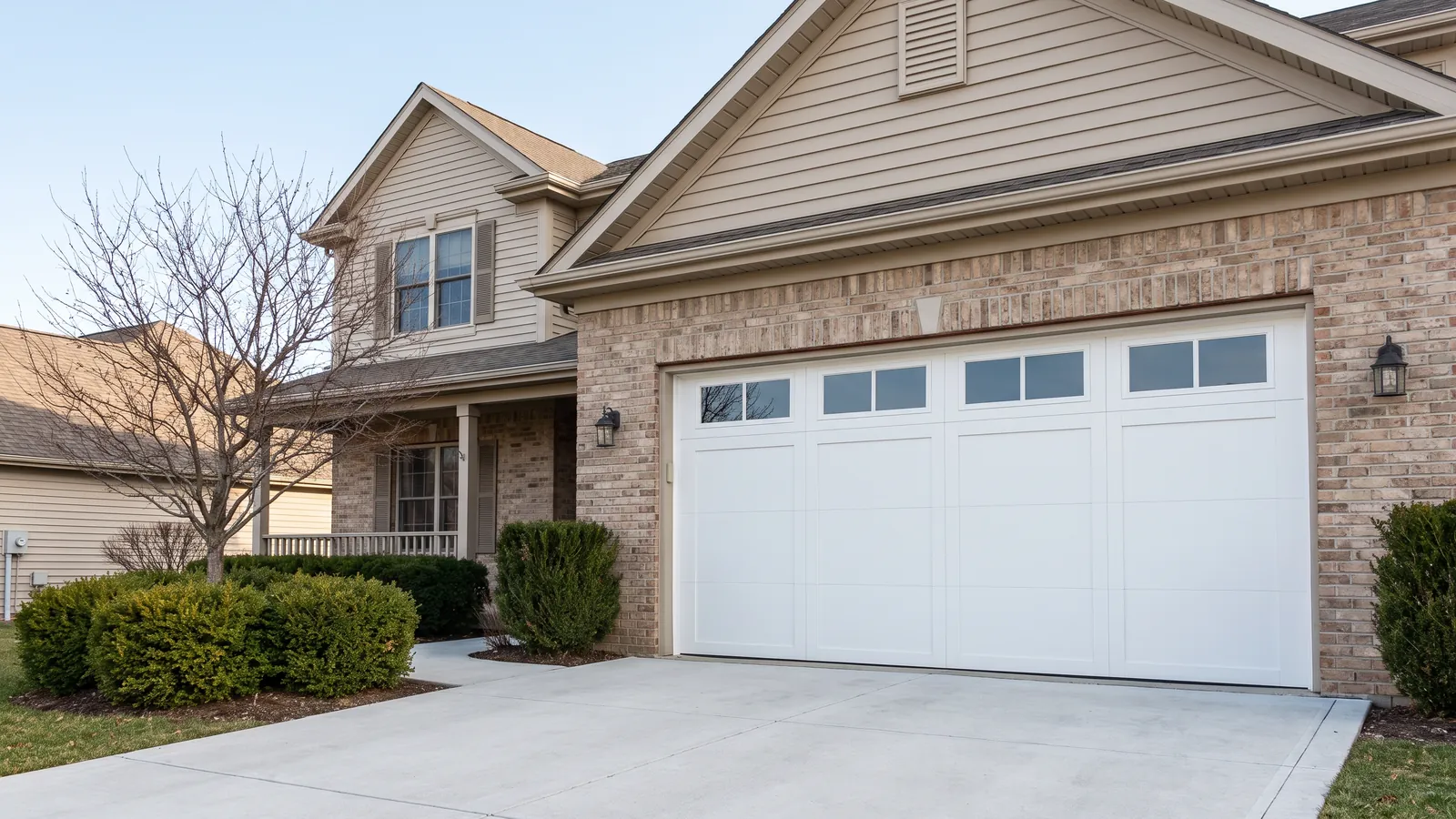
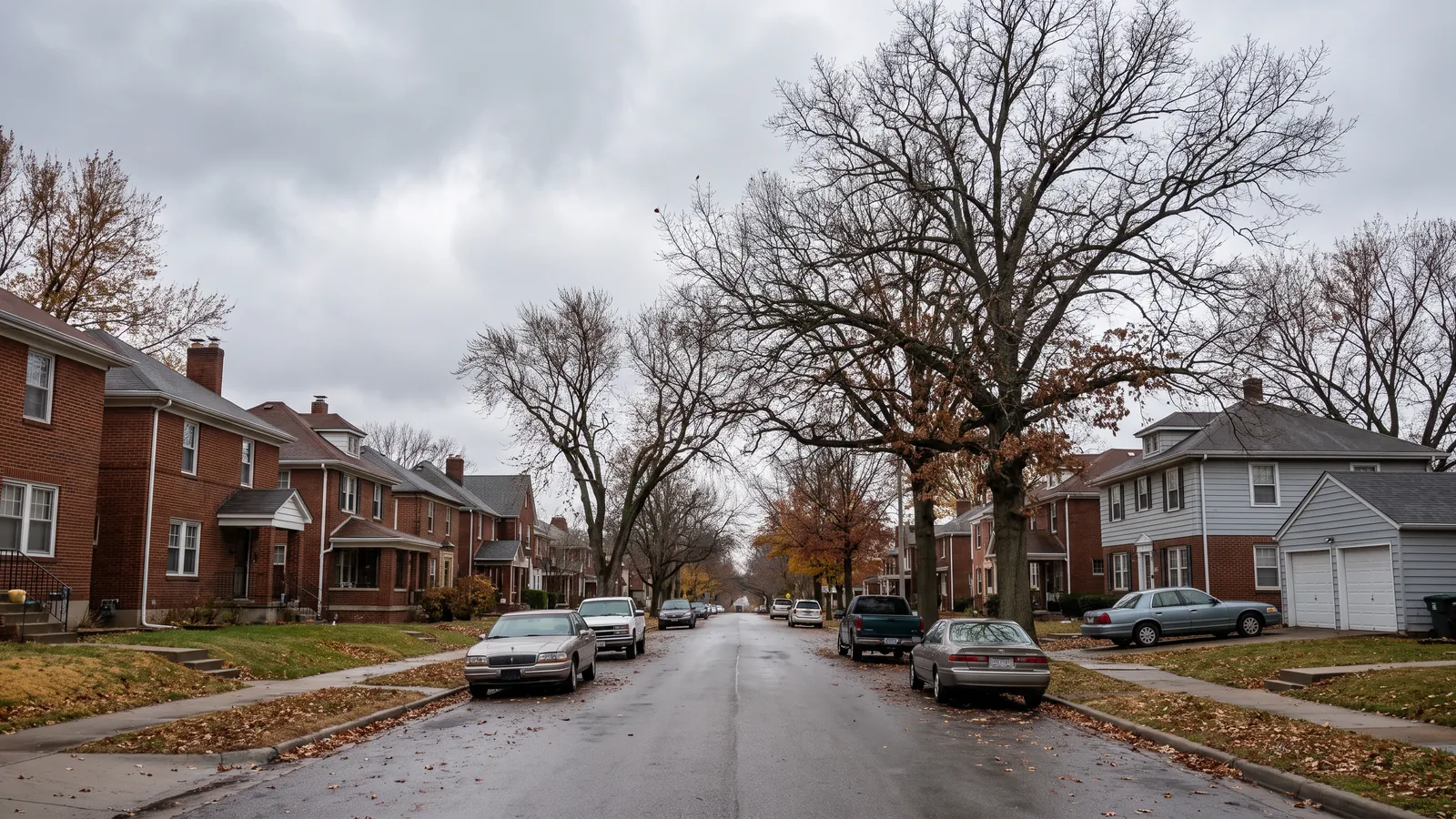
Measurement is where installations succeed or fail. Five numbers matter: the width and height of the opening, the headroom between the top of the opening and the ceiling, the side room on each side for the vertical rail, and the backroom depth into the garage. A standard rail wants about twelve to fifteen inches of headroom; less than that needs a low-headroom conversion, and a wall-mount opener frees up the ceiling entirely. Older Kansas City garages, where the median house dates to 1961, frequently have tight headroom, narrow side room and jambs that have taken sixty years of weather. None of that is a problem if it is known before the door is ordered, and all of it is a problem if it is discovered on fitting day.
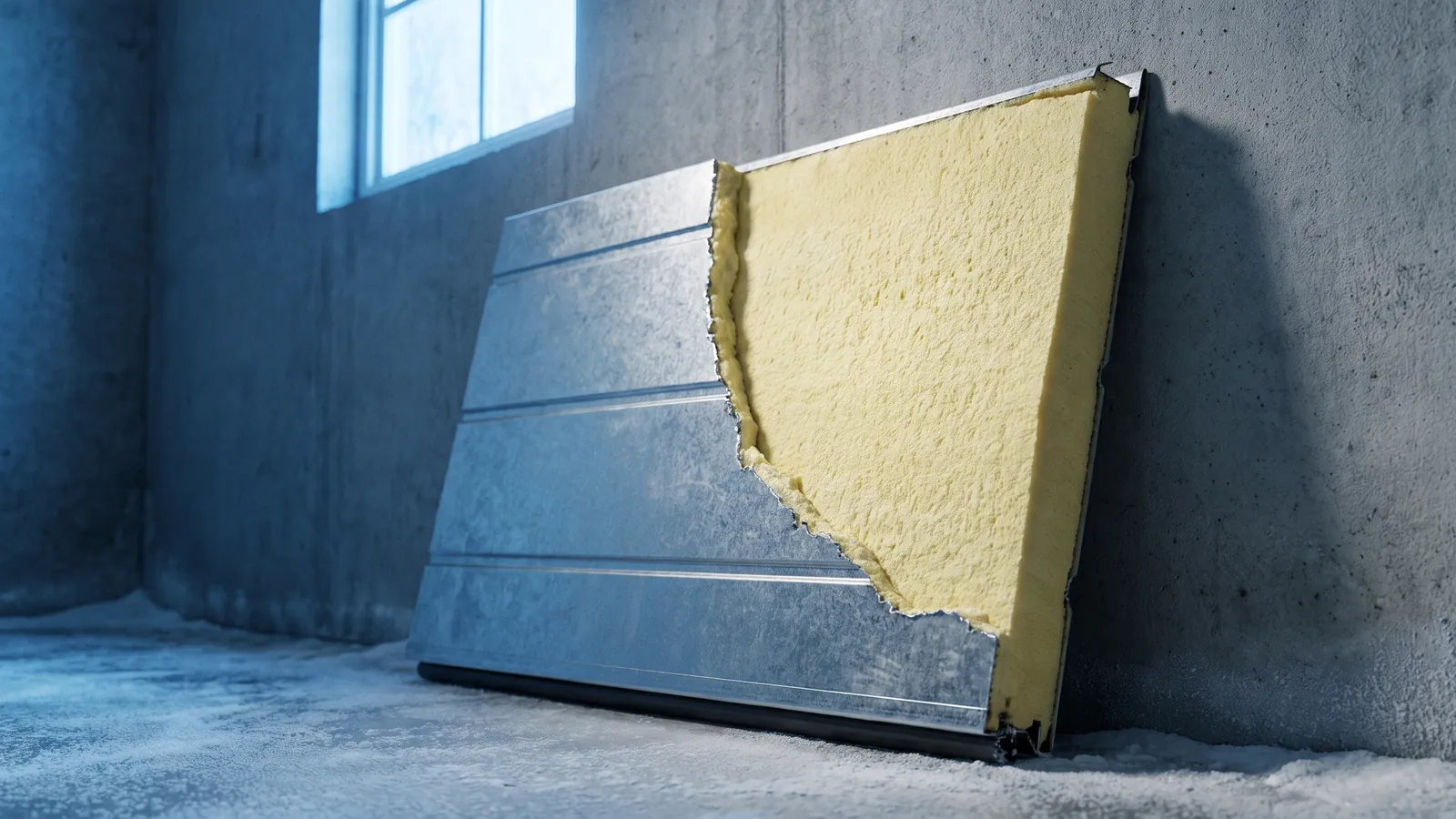
Choosing the door. Steel is the default and sensibly so — it is durable, it takes paint, and it comes in every configuration. Within steel the real choices are gauge, insulation and finish. A heavier gauge resists dents better, which matters on a door facing hail. Insulation is covered on its own page and is the choice that most affects how an attached garage feels. Finish runs from plain flush panel through traditional raised panel to carriage styles with overlay boards and decorative hardware, which suit the traditional brick-and-siding houses across Prairie Village and Leawood rather well. Windows bring daylight into a garage that otherwise has none, and insulated glazing is worth the premium if the space is used as a workshop.
What gets fitted with it. Everything. New rail, new rollers — nylon as standard, because the noise difference is worth it and steel rollers are a false economy — new hinges, new cables, new drums, and springs sized to the actual weight of the new door. That last point is where corners get cut by cheaper outfits: reusing the old springs on a heavier insulated door leaves it out of balance from the first day, which strains the opener and wears the springs out early. New jamb seal, new bottom gasket matched to the slab, and a threshold if the concrete needs it.
And the paperwork. There is less of it than people expect in Kansas. No state licence covers this trade, and neither Kansas City nor the Johnson County cities publishes a permit requirement for replacing a door in an unchanged opening. What does need attention is your homeowners' association, if you have one — Leawood and most newer subdivisions want style, colour and windows approved before the order goes in, and a custom colour cannot be sent back.
What's included
Five measurements taken properly
Width, height, headroom, side room and backroom, plus a look at the jambs, before anything is ordered.
Low-headroom options where needed
Older garages with tight headroom get the right rail conversion rather than a door that will not fit.
Nylon rollers as standard
Quieter, kinder to the rail, and barely dearer than the steel rollers most builders fit.
Springs sized to the new weight
New door, new springs, correctly matched — not the old pair carried over onto something heavier.
Jambs repaired where rotten
On a 1960s garage the timber is often the real job, and it gets dealt with before the door goes on.
HOA submission supported
Spec sheets and colour references supplied for architectural committee approval before the order is placed.
New garage door installation prices on the Kansas side
| Job | Typical price | Notes |
|---|---|---|
| Single steel door, fitted | $1,100 – $1,750 | 9x7, new hardware and springs |
| Single insulated steel | $1,350 – $2,200 | 9x7, polyurethane core |
| Double steel door, fitted | $1,550 – $2,400 | 16x7, non-insulated |
| Double insulated steel | $1,850 – $3,100 | 16x7; the most common job |
| Carriage-style insulated | $2,400 – $4,200 | Overlay boards and decorative hardware |
| Low-headroom rail conversion | $220 – $520 | Where ceiling clearance is tight |
| Windows in a section | $180 – $560 | Per door; insulated glazing available |
| Jamb repair or replacement | $220 – $600 | Priced after inspection, not guessed |
These are 2026 ranges for the Kansas side of the metro, to give you a figure to plan around. What you pay is agreed in the driveway before work starts, with parts and labour listed separately; new doors and openers get a written figure that holds for 30 days.
Recent work
Questions we get about new garage door installation
How long from order to fitted?
One to three weeks for most doors, driven by colour and style rather than size. Stock white in a common profile is quick; a custom colour or a carriage style with overlay detail takes longer. The fitting itself is four to six hours. You get a realistic date when you order, not an optimistic one.
What size door do I need?
Standard singles are 8x7 or 9x7 and standard doubles 16x7, but older Kansas City garages are frequently non-standard — 15x7 doubles and odd single widths both turn up regularly. The opening gets measured rather than assumed, which is also when headroom and side room get checked, because those decide the rail more than the door does.
Can you fit a door I bought myself?
We would rather supply it, for a practical reason: if the door, the springs and the fitting all come from one place, there is one person responsible when something is not right. If you have already bought a door we will usually fit it, but we cannot warrant the product, and if it turns out to be the wrong size or missing hardware you have still paid for the visit.
Do I need a permit?
Not for a like-for-like replacement in the existing opening — neither the Unified Government in Kansas City nor the Johnson County cities publishes a requirement for it, and no local licensing class covers garage doors on their own. Widening the opening or altering the header is building work and does need a permit, and that gets established before the order.
What about my homeowners' association?
Assume they want to know. Leawood has associations on most streets, and the newer Overland Park and Olathe subdivisions generally do too. They typically approve style, colour and window configuration. Get the letter before the door is ordered — custom colours are not returnable, and an approved door that arrives a week late is far better than an unapproved one that has to go back.
Will a new door be quieter?
Markedly, usually — but much of that is the hardware rather than the door. New nylon rollers, new hinges and correctly sized springs account for most of the improvement. An insulated door adds rigidity, which reduces the booming noise a thin single-skin door makes as it travels.